

Manufactured Housing Protections
Manufactured housing is one of the most affordable paths to homeownership. If you own a manufactured home on a rental site (generally referred to as a “pad site”) in a manufactured housing community, it’s important to know your rights and understand the protections available to you.
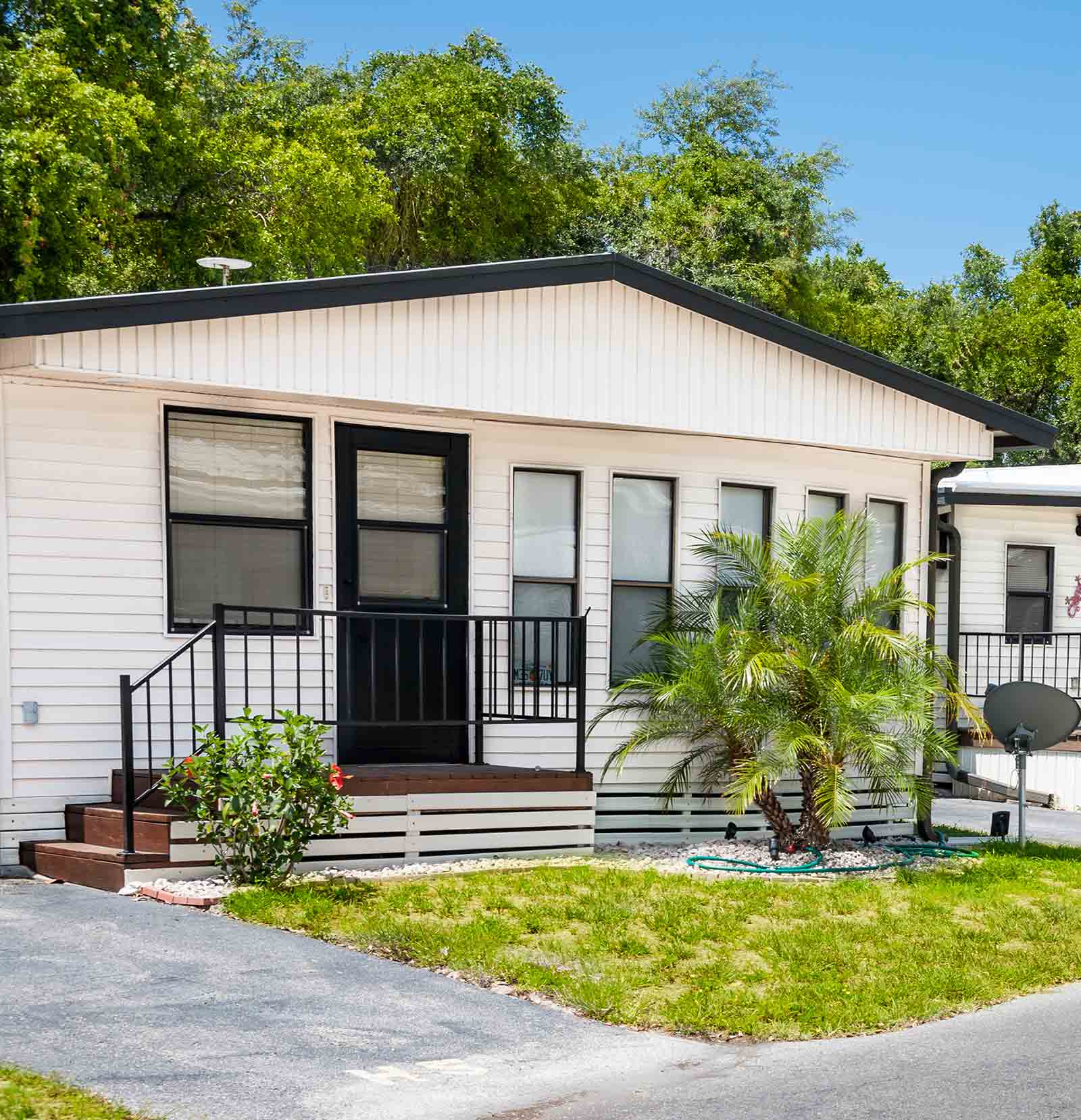
A manufactured home is a type of prefabricated home that is built in a factory and then transported to a homesite for installation. Manufactured homes can cost between 10% and 35% less per square foot than a traditional site-built home. Homeowners generally place the home either on land they own or on a leased pad site within a manufactured housing community.
If your home is located on a leased pad site in a manufactured housing community, there may be protections available to you that can help safeguard your home, your tenancy, and the investment you have made in your home. Laws governing manufactured housing communities vary by state and, in some cases, by county or municipality.
To learn more about the protections available in your area, search online for manufactured housing community laws and related tenant protections in your state and locale, or consult with an attorney familiar with your local manufactured housing community regulations.
Fannie Mae Manufactured Housing Community Tenant Protections
If your manufactured housing community is financed with a Fannie Mae loan, the loan documents likely require the community to provide certain protections to all resident pad site tenants who own their manufactured home. These protections may go beyond the requirements of state or local law. Such Fannie Mae pad site protections are called “Tenant Site Lease Protections” which are often referred to as “TSLPs”. Fannie Mae requires TSLPs to be posted in a conspicuous public location in the community, in addition to being included in the written Community Rules and Regulations.
Fannie Mae Manufactured Housing Community TSLPs
TSLPs typically include:

Unless there is good cause for non-renewal, including existing lease default, serious or repeated violations of the material terms and conditions of the lease, or violation of applicable federal, state or local law.
The subtenant or buyer must meet the minimum community rules and regulations and qualify for the home financing.
Talk to a housing counselor about manufactured housing at no cost to you
A HUD-approved housing counselor can help you better understand the rights and protection that cover your specific situation.
Call 1-855-HERE2HELP (855-437-3243) or schedule an appointment

More to explore

Talk to a Housing Counselor
If you’re experiencing financial hardship or the aftermath of disaster, talk to a housing counselor. They can help you create a plan and learn about your options.

How a Housing Counselor Can Help You
If you're experiencing financial hardship or the aftermath of disaster, talk to a housing counselor. They can help you create a plan and learn about your options.
Debunking Myths About Mortgage Assistance
If you are, or may soon be, falling behind on your mortgage payments, reach out for assistance now. Don't let these misconceptions hold you back.
